making a simple audio probe
Posted: Mon Apr 19, 2010 9:55 am
real quick for anyone building - it's important to have a simple audio probe laying about, especially in the absence of an oscilloscope. it can make the difference easy debugging and not being able to debug at all...
parts you need:
1 1/4" female jack (mono, but stereo will be fine as well)
2 alligator clips
1 cable
1 amp
a small clipped component lead or tiny screwdriver
first plug something into the input of the effect you're debugging. if you have a signal generator, oscillator, atari punk console, pedal that can oscillate, etc. then just use that so your hands are free. otherwise use a keyboard with a held note or just strum your guitar, bass, or whatever.
so take the 1/4" jack and figure out which lug is ground and which is signal, attach an alligator clip from the ground lug to your circuit's ground (or to the input jack, provided it's grounded), attach the other clip to the signal lug and leave the one end free, plug the cable from the jack into your amp, now probe around touching different spots on your circuit to hear what happens at each stage! (you may not hear things at certain points and you probably shouldn't be doing this with any high voltage effects as it may damage your amp)
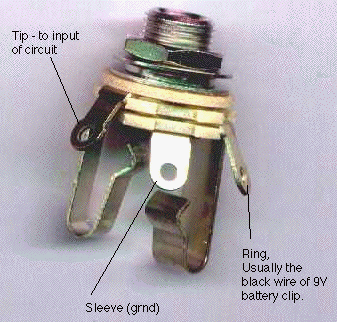
here's a pic to help figure out which lugs are which on a jack. a mono jack will not have the "ring" lug, so just don't worry about that one for this application.
parts you need:
1 1/4" female jack (mono, but stereo will be fine as well)
2 alligator clips
1 cable
1 amp
a small clipped component lead or tiny screwdriver
first plug something into the input of the effect you're debugging. if you have a signal generator, oscillator, atari punk console, pedal that can oscillate, etc. then just use that so your hands are free. otherwise use a keyboard with a held note or just strum your guitar, bass, or whatever.
so take the 1/4" jack and figure out which lug is ground and which is signal, attach an alligator clip from the ground lug to your circuit's ground (or to the input jack, provided it's grounded), attach the other clip to the signal lug and leave the one end free, plug the cable from the jack into your amp, now probe around touching different spots on your circuit to hear what happens at each stage! (you may not hear things at certain points and you probably shouldn't be doing this with any high voltage effects as it may damage your amp)
here's a pic to help figure out which lugs are which on a jack. a mono jack will not have the "ring" lug, so just don't worry about that one for this application.